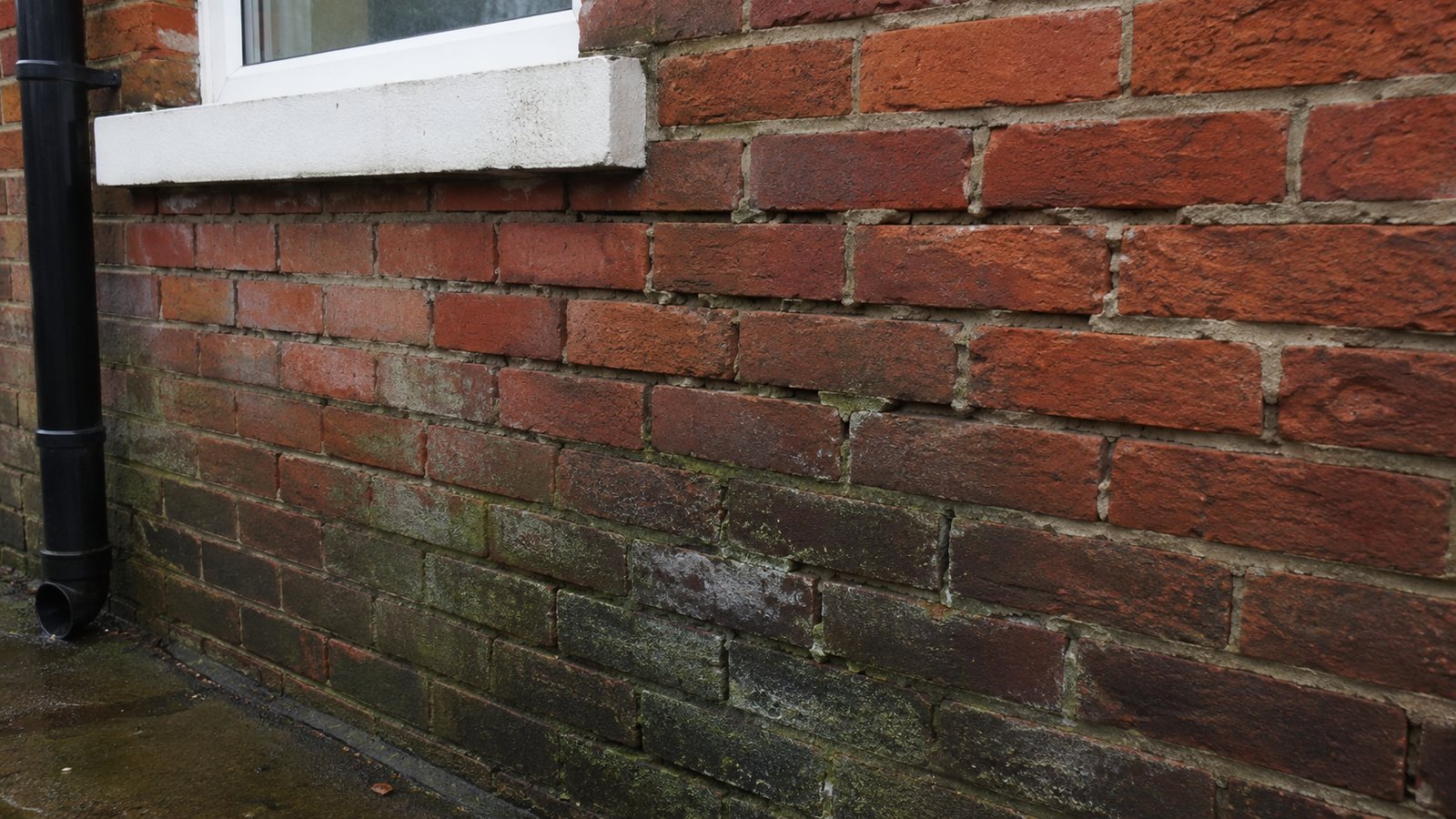
The external defect may be small
A cracked sill joint, open mortar bed or split downpipe can repeatedly wet one patch of wall. The internal mark can become much larger than the opening that admitted the water.
Height is not fixed
Unlike rising moisture, penetrating damp can appear high, low or in the middle of a wall. Position relative to windows, chimneys, gutters and roof abutments is often more useful than the distance from the floor.
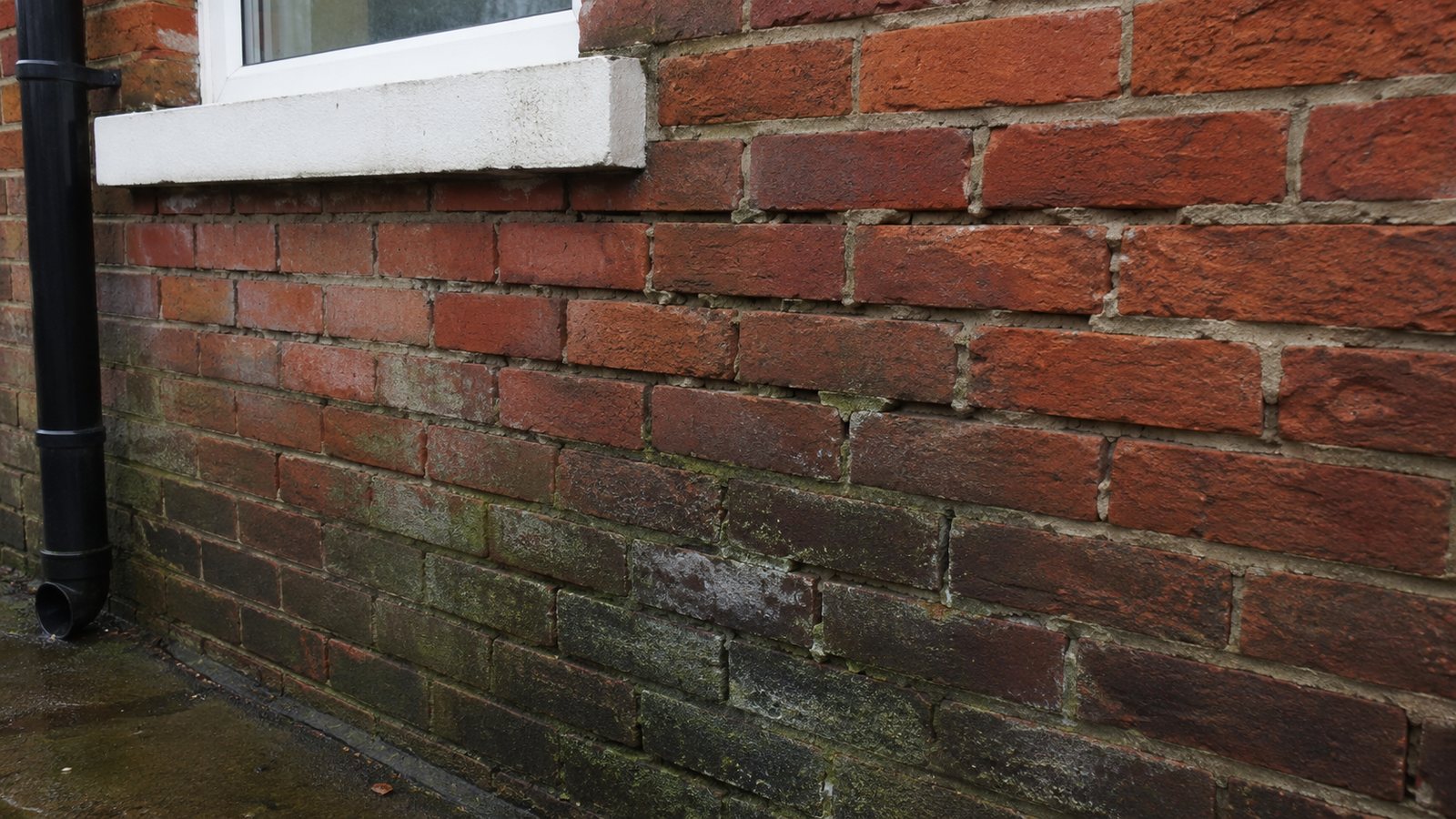
Solid walls depend on drying as well as exclusion
Traditional solid masonry absorbs some rain and then dries. Dense coatings, damaged pointing or severe exposure can upset that balance, especially where the wall receives wind-driven rain.
Timing helps confirm the route
If the patch reliably worsens after certain weather, compare that with the external elevation. Rain direction and duration can identify defects that are invisible during a dry inspection.
Need a local damp specialist?
If the next step is getting somebody to inspect the property, MyJobQuote can put your request in front of damp-proofing contractors working locally.
Find local damp specialistsQuote requests are provided by MyJobQuote, an independent third-party service. Local contractors may respond to your request.